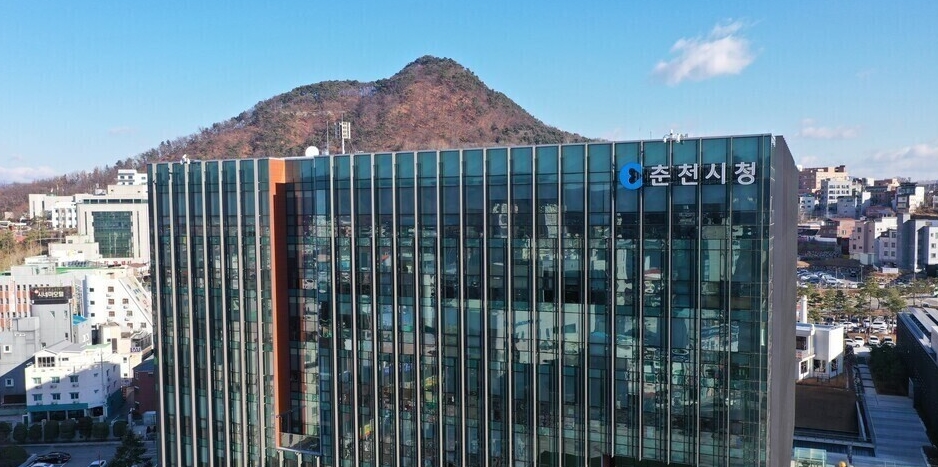
강원도 춘천시 구별 인구수 및 역사
소양강이 흐르는 호반 도시의 과거와 현재
춘천은 강원도의 중앙부에 위치한 아름다운 호반 도시다. 소양강과 북한강이 만나 의암호, 춘천호, 소양호를 이루는 수려한 자연경관은 물론, 강원도청 소재지이자 교육, 문화, 행정의 중심지로서 중요한 역할을 하고 있다. 이 포스팅에서는 춘천시의 동별 인구수를 상세히 분석하고, 각 지역의 흥미로운 역사적 배경을 살펴보며, 미래를 향해 나아가는 춘천의 모습을 조명하고자 한다.
1. 춘천시의 개요 및 지리적 특성
춘천은 북쪽으로 화천군, 동쪽으로 양구군 및 인제군, 서쪽으로 경기도 가평군, 남쪽으로는 홍천군과 접하고 있다. 서울과 가까운 지리적 이점과 경춘선 ITX-청춘, 서울양양고속도로 등 잘 갖춰진 교통망은 춘천을 수도권 시민들에게 사랑받는 대표적인 관광 도시이자, 생활 거점으로 만들었다. 특히 풍부한 수자원과 이를 활용한 발전 시설은 춘천의 중요한 자원이다.
2. 춘천시 동별 인구 현황 (2025년 6월 기준 )
춘천시는 1읍 9면 15행정동으로 구성되어 있다. 각 동은 고유한 특성과 역사, 그리고 인구 분포를 가지고 있다. 아래 표는 2025년 6월 현재 추정되는 춘천시의 주요 동별 인구 현황을 보여준다. (정확한 최신 인구 데이터는 춘천시청 홈페이지를 참조하시기 바랍니다.)
| 구분 | 행정동/읍면 | 인구수 (명) | 세대수 (세대) | 특징 및 역사적 배경 |
| 읍/면 지역 | 신북읍 | 약 10,000 | 약 4,500 | 춘천댐 인근, 농업 중심. |
| 동면 | 약 9,000 | 약 4,000 | 국립춘천병원 등 위치, 자연 친화적. | |
| 동산면 | 약 3,000 | 약 1,500 | 경춘선 강촌역 인근, 관광 및 농업. | |
| 동내면 | 약 18,000 | 약 8,000 | 강원도청, 강원대학교 춘천캠퍼스 인접, 신흥 주거 단지 발달. | |
| 남면 | 약 3,500 | 약 1,700 | 가평과 접경, 소양호 인근. | |
| 남산면 | 약 6,000 | 약 2,800 | 강촌 유원지, 남이섬 선착장 등 관광 중심. | |
| 서면 | 약 4,000 | 약 1,900 | 의암호 인근, 문학공원 등 조성. | |
| 사북면 | 약 3,000 | 약 1,500 | 오봉산 등 산악 지대, 자연 경관 우수. | |
| 신동면 | 약 4,000 | 약 1,900 | 김유정문학촌 등 문학적 유산 풍부. | |
| 북산면 | 약 1,500 | 약 700 | 소양강 상류, 인구 밀도 낮음. | |
| 동 지역 | 소양동 | 약 10,000 | 약 4,500 | 춘천시 구도심, 소양강 스카이워크, 소양강 처녀상 등 관광지. 역사 유적지 다수. |
| 근화동 | 약 8,000 | 약 3,800 | 춘천역 인근, 주거 및 상업 혼재. | |
| 신사우동 | 약 15,000 | 약 7,000 | 춘천아트센터, 국립춘천박물관 인근, 신흥 주거 지역. | |
| 효자1동 | 약 5,000 | 약 2,300 | 주거 지역, 학교 밀집. | |
| 효자2동 | 약 7,000 | 약 3,200 | 주거 지역. | |
| 효자3동 | 약 9,000 | 약 4,000 | 강원대학교 후문 인근, 대학가 상권. | |
| 석사동 | 약 30,000 | 약 13,000 | 강원대학교 정문 인근, 대규모 아파트 단지 및 상업 시설 밀집, 춘천시 최대 인구 밀집 지역 중 하나. | |
| 퇴계동 | 약 40,000 | 약 18,000 | 춘천시 최대 인구 밀집 지역, 대규모 아파트 단지 및 상업 시설, 법조타운 등. | |
| 온의동 | 약 15,000 | 약 6,500 | 터미널 인근, 주거 및 상업 복합. | |
| 교동 | 약 7,000 | 약 3,000 | 춘천교육대학교 인근, 교육 시설 밀집. | |
| 조운동 | 약 4,000 | 약 2,000 | 춘천시청 인근, 행정 중심지. | |
| 약사명동 | 약 6,000 | 약 2,800 | 춘천시 구도심, 전통시장 등. | |
| 근화동 | 약 8,000 | 약 3,800 | 춘천역 인근, 주거 및 상업 혼재. | |
| 후평1동 | 약 10,000 | 약 4,500 | 주거 및 상업 지역. | |
| 후평2동 | 약 12,000 | 약 5,500 | 주거 지역. | |
| 후평3동 | 약 15,000 | 약 6,500 | 대규모 아파트 단지, 인구 밀집. |
참고: 위 인구수는 2025년 6월 현재의 추정치이며, 실제 인구는 유동적으로 변동될 수 있습니다. 정확한 정보는 춘천시청의 공식 통계 자료를 확인하시기 바랍니다.
3. 춘천시의 역사: 주요 사건과 변천사
춘천은 예로부터 중요성이 인정된 지역으로, 선사시대 유적은 물론 삼국시대부터 군사적, 행정적 요충지 역할을 해왔다.
- 선사시대 및 고대: 춘천은 구석기시대부터 인간이 거주했던 흔적이 발견되며, 신석기, 청동기 시대의 유적도 풍부하게 남아있다. 삼국시대에는 고구려와 신라의 국경 지대로서 '우수주', '삭주' 등으로 불리며 전략적 중요성을 가졌다. 특히 신라 경덕왕 때 '삭주'로 개칭되며 지방의 주요 거점으로 부상했다.
- 고려시대: 고려 태조 왕건은 후삼국 통일 과정에서 춘천의 호족과 연계하며 기반을 다졌다. 고려 초기에는 '춘주'로 불리다 성종 때 '춘주목'으로 승격되었고, 이후 '춘천'이라는 이름이 확정되었다. 고려 중기에는 거란의 침입에 맞서는 방어 거점이 되었으며, 무신정변 이후에는 몽골 침입에 대항하는 의병 활동의 중심지였다.
- 조선시대: 조선 태조 이성계가 즉위하면서 춘천부로 개칭되고, 이후 '춘천도호부'로 승격되며 강원도의 주요 행정 중심지 중 하나로 자리매김했다. 임진왜란과 병자호란 등 외침 시기에는 의병들의 활약이 두드러진 곳이기도 하다. 특히 조선 후기에는 유교 문화가 발달하며 교육과 학문의 중심지로도 성장했다.
- 근현대:
- 일제강점기: 1910년 한일병합 후 춘천군으로 개편되었고, 경춘선 철도가 개통되면서 교통의 요지이자 물자 수송의 거점 역할을 했다. 일제는 춘천을 식량 수탈의 거점으로 삼기도 했다.
- 한국전쟁: 춘천은 한국전쟁 발발 초기 치열한 전투가 벌어진 곳으로, 국군과 유엔군의 중요한 방어선이었다. 도시 전체가 폐허가 될 정도로 큰 피해를 입었으나, 이후 빠르게 재건되었다.
- 전후 복구 및 성장: 전쟁 이후 피폐해진 도시를 재건하고, 1960년대 이후 춘천댐, 소양강댐 등 대규모 수자원 개발 사업이 진행되면서 도시 발전에 큰 전환점을 맞았다. 수자원을 활용한 관광 산업이 발전하기 시작했으며, 강원도청 소재지로서 행정 기능이 더욱 강화되었다.
- 최근: 2000년대 이후 경춘선 복선 전철화(ITX-청춘 개통), 서울양양고속도로 개통 등으로 수도권과의 접근성이 획기적으로 개선되면서 관광객이 폭발적으로 증가했다. 강원대학교, 춘천교육대학교 등 교육기관이 밀집해 교육 도시의 면모를 갖추고 있으며, 바이오 산업, 정보통신(IT) 산업 등 첨단 산업 육성을 통해 미래 성장 동력을 확보하고 있다.
4. 춘천시의 미래 전망
춘천은 천혜의 자연환경과 잘 구축된 교통망, 그리고 교육·행정 중심지로서의 위상을 바탕으로 지속적인 발전을 추구하고 있다.
- 관광 산업 고도화: 의암호, 소양강 등을 중심으로 한 호반 관광을 넘어, 레고랜드 코리아 리조트 개장, 삼악산 호수 케이블카 등 새로운 관광 콘텐츠를 개발하여 사계절 관광 도시로서의 매력을 더하고 있다. 스마트 관광 시스템 구축을 통해 더욱 편리하고 만족도 높은 관광 경험을 제공할 예정이다.
- 첨단 산업 육성: 바이오 헬스 산업, 데이터 산업, 인공지능(AI) 산업 등 미래 성장 동력 산업을 집중 육성하여 고부가가치 일자리를 창출하고 지역 경제 활성화를 도모할 것이다. 춘천 강소연구개발특구 지정을 통해 기술 혁신과 창업 생태계를 활성화하고 있다.
- 균형 발전 및 스마트 도시 구현: 구도심 재생 사업과 신도심 개발을 조화롭게 추진하여 도시의 균형 발전을 꾀하고 있다. 스마트 도시 챌린지 사업 등을 통해 최첨단 기술을 활용한 시민 편의 증진 및 도시 문제 해결에도 적극적으로 나서고 있다.
- 교육 및 문화 인프라 강화: 강원대학교를 중심으로 한 교육 인프라를 더욱 강화하고, 춘천마임축제, 춘천국제연극제 등 세계적인 문화 축제를 통해 '문화 예술 도시 춘천'의 브랜드를 확고히 할 것이다.
춘천은 아름다운 자연 속에서 역사와 문화, 그리고 첨단 기술이 어우러지는 매력적인 도시다. 미래에도 춘천은 강원도의 중심이자 대한민국을 대표하는 호반 관광 및 첨단 산업 도시로서 더욱 빛나는 발전을 이룩할 것으로 기대된다.
English Summary: Population by District and History of Chuncheon City, Gangwon-do
Chuncheon is a beautiful lakeside city located in the central part of Gangwon-do. It boasts stunning natural landscapes formed by the confluence of the Soyanggang and Bukhangang Rivers, creating Uiam Lake, Chuncheon Lake, and Soyang Lake. As the seat of the Gangwon Provincial Government, it plays a crucial role as a center for education, culture, and administration. This blog post provides a detailed analysis of Chuncheon City's population by dong (neighborhood/administrative division), explores the fascinating historical background of each area, and highlights Chuncheon's journey towards the future.
1. Overview and Geographical Characteristics of Chuncheon City
Chuncheon borders Hwacheon-gun to the north, Yanggu-gun and Inje-gun to the east, Gyeonggi-do's Gapyeong-gun to the west, and Hongcheon-gun to the south. Its geographical proximity to Seoul and well-developed transportation networks, including the Gyeongchun Line ITX-Cheongchun and the Seoul-Yangyang Expressway, have made Chuncheon a beloved tourist destination and a preferred living base for people in the Seoul Metropolitan Area. In particular, abundant water resources and related power generation facilities are vital assets for Chuncheon.
2. Chuncheon City Population by Dong (Estimated as of June 2025)
Chuncheon City comprises 1 eup (town), 9 myeon (townships), and 15 administrative dongs (neighborhoods). Each dong has unique characteristics, history, and population distribution. The table above presents the estimated population status of major dongs and eup/myeon in Chuncheon City as of June 2025. (For accurate and up-to-date population data, please refer to the official website of Chuncheon City Hall.)
Key population trends show that areas like Seoksa-dong and Toegye-dong have the highest population densities, largely due to large apartment complexes and commercial facilities, including the judicial complex in Toegye-dong. Dongnae-myeon is also experiencing growth with new residential complexes near the Gangwon Provincial Office and Gangwon National University.
3. History of Chuncheon City: Major Events and Transformations
Chuncheon has been recognized as an important region since ancient times, with prehistoric sites and its role as a military and administrative stronghold from the Three Kingdoms period.
- Prehistoric and Ancient Times: Traces of human habitation in Chuncheon date back to the Paleolithic period, with rich remains from the Neolithic and Bronze Ages. During the Three Kingdoms period, it was a border region between Goguryeo and Silla, known as 'Usuju' and 'Sakju,' holding strategic importance. Notably, it emerged as a major regional hub when renamed 'Sakju' during King Gyeongdeok's reign of Silla.
- Goryeo Dynasty: During the unification of the Later Three Kingdoms, King Taejo Wang Geon consolidated his base by forming alliances with local clans in Chuncheon. Initially called 'Chunju' in early Goryeo, it was promoted to 'Chunju-mok' during King Seongjong's reign, and later the name 'Chuncheon' was established. In the mid-Goryeo period, it served as a defensive stronghold against Khitan invasions and a center for righteous army activities against Mongol invasions after the Military Rule.
- Joseon Dynasty: Upon King Taejo Yi Seong-gye's ascension to the throne, it was renamed Chuncheon-bu and later promoted to 'Chuncheon Dohobu,' becoming one of the main administrative centers of Gangwon-do. During foreign invasions like the Imjin War and Byeongja Horan, the activities of righteous armies were particularly prominent here. In the late Joseon period, it also grew into a center of education and scholarship with the development of Confucian culture.
- Modern and Contemporary Era:
- Japanese Colonial Period: After the Japan-Korea Annexation in 1910, it was reorganized into Chuncheon-gun, and with the opening of the Gyeongchun Line railway, it became a transportation hub and a base for material transport. The Japanese also used Chuncheon as a base for food exploitation.
- Korean War: Chuncheon was a site of fierce battles at the beginning of the Korean War, serving as an important defensive line for the South Korean and UN forces. The entire city suffered extensive damage, being almost completely devastated, but was quickly rebuilt afterward.
- Post-War Recovery and Growth: After the war, the devastated city was rebuilt, and from the 1960s, large-scale water resource development projects, including Chuncheon Dam and Soyanggang Dam, marked a major turning point in urban development. Tourism utilizing water resources began to develop, and its administrative functions as the seat of the Gangwon Provincial Office were further strengthened.
- Recent Years: Since the 2000s, with the electrification of the Gyeongchun Line (opening of ITX-Cheongchun) and the Seoul-Yangyang Expressway, accessibility to the Seoul Metropolitan Area has dramatically improved, leading to an explosive increase in tourists. With a concentration of educational institutions like Gangwon National University and Chuncheon National University of Education, it functions as an educational city, and it is securing future growth engines by fostering high-tech industries such as bio-industry and information and communication (IT) industry.
4. Future Outlook of Chuncheon City
Chuncheon is pursuing continuous development based on its excellent natural environment, well-established transportation network, and its status as an educational and administrative center.
- Advancement of Tourism Industry: Beyond lakeside tourism centered around Uiam Lake and Soyanggang, new tourist content such as the opening of Legoland Korea Resort and the Samaksan Lake Cable Car are being developed to enhance its appeal as a four-season tourist city. The establishment of smart tourism systems will provide more convenient and satisfying tourism experiences.
- Fostering High-Tech Industries: By intensively nurturing future growth engine industries such as bio-health, data, and artificial intelligence (AI) industries, Chuncheon aims to create high-value-added jobs and revitalize the local economy. The designation of the Chuncheon Small but Strong R&D Zone is promoting technological innovation and fostering a startup ecosystem.
- Balanced Development and Smart City Implementation: Balanced urban development is pursued by harmoniously promoting old downtown regeneration projects and new city development. Through smart city challenge projects, Chuncheon is actively leveraging cutting-edge technology to enhance citizen convenience and solve urban problems.
- Strengthening Education and Culture Infrastructure: Education infrastructure, centered around Gangwon National University, will be further strengthened, and world-renowned cultural festivals like the Chuncheon Mime Festival and Chuncheon International Theatre Festival will solidify Chuncheon's brand as a "City of Culture and Arts."
Chuncheon is an attractive city where history, culture, and advanced technology harmoniously blend within a beautiful natural setting. In the future, Chuncheon is expected to achieve even more brilliant development as the center of Gangwon-do and a representative lakeside tourism and high-tech industry city in South Korea.